
How to Start a Cake Business in Australia (What Most People Get Wrong at the Beginning)
Updated: Feb 2

Starting a cake business in Australia can feel exciting, overwhelming, and confusing - often all at once.
You might love baking. People may already be asking you to make cakes for birthdays or events. And at some point, the thought creeps in:
“Could I actually turn this into a business?”
What most people don’t realise is that starting a cake business isn’t just about making good cakes. Many talented cake makers struggle - not because they lack skill, but because they’re missing clarity around structure, expectations, and what really matters at the beginning.
This guide is here to help you understand what starting a cake business in Australia actually involves, what to consider before taking orders, and how to avoid the mistakes that make cake businesses stressful or unsustainable.
This is not a baking tutorial. It’s a practical, honest overview designed to help you start calmly and confidently.
Can You Legally Start a Cake Business from Home in Australia?
Yes - many cake businesses in Australia start from home. But there are rules, and they vary depending on where you live.
In most cases, you’ll need to consider:
Local council approval
Food safety registration
Your state’s food authority requirements
Kitchen setup and hygiene standards
Business insurance.
For example, requirements in NSW may differ slightly from Victoria or Queensland, so it’s important to check with your local council and food authority before accepting paid orders.
What matters most at this stage isn’t memorising regulations - it’s understanding that compliance is part of running a business, not something to deal with “later”.
Many people delay this step because it feels intimidating. In reality, it’s one of the simplest ways to protect yourself and your future business.
Why I’m Sharing This
I’m Yvette Farrugia - a professional cake artist and educator based in Australia.
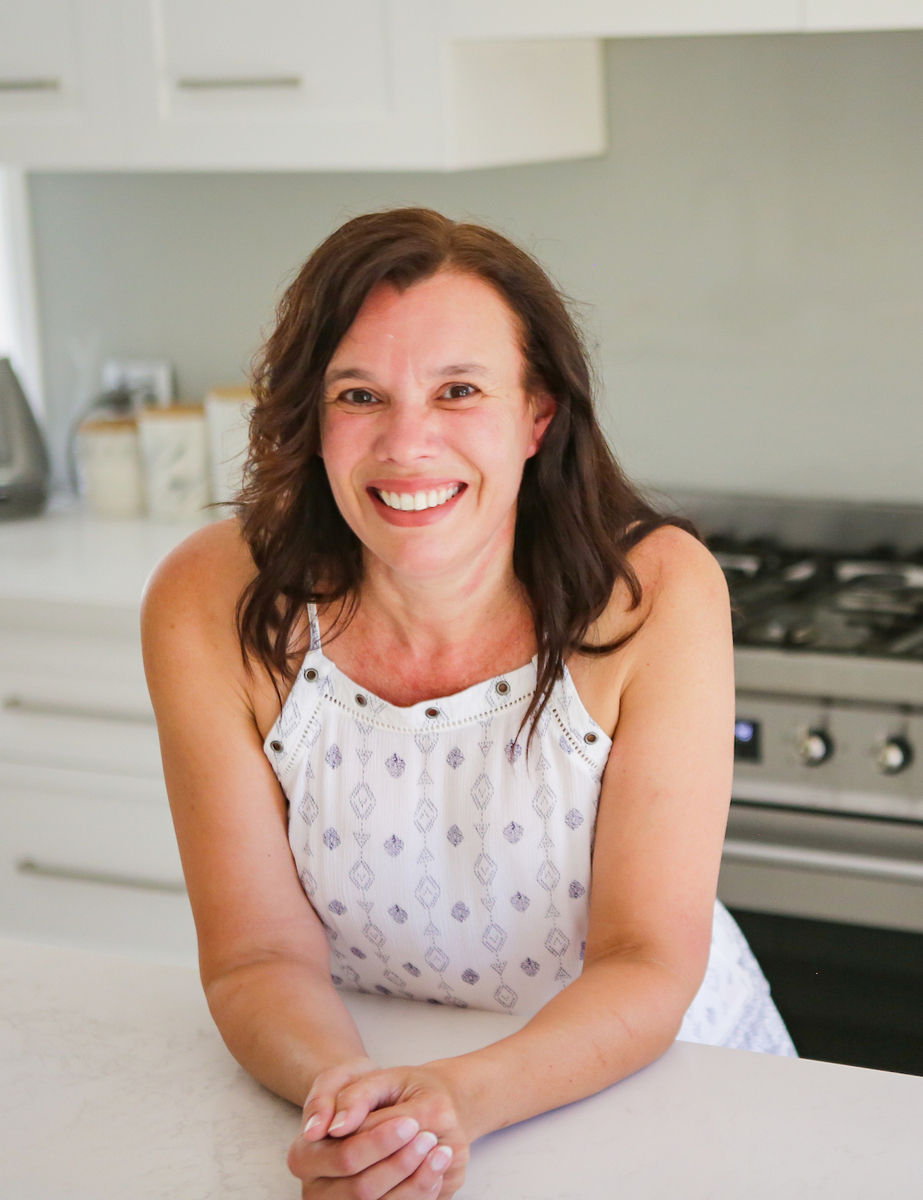
I’ve been making cakes for over 30 years and ran my own custom cake business for nearly a decade, creating everything from simple
celebration cakes to large, structured cakes that needed to be transported and set up on site.
Over the years, I’ve seen how often cake makers struggle not because of decorating skills - but because of the pressure, decisions, and systems that come with taking orders.
Today, I teach cake makers how to build beautiful, professional cakes that hold up in real kitchens and real delivery days, so the process feels calm, supported, and repeatable - not stressful or reactive. So lets continue.
What Equipment Do You Actually Need to Start a Cake Business?
One of the most common mistakes new cake businesses make is over-investing too early.
Expensive tools, specialty equipment, and endless supplies don’t create a strong business - solid skills and repeatable processes do.
At the beginning, focus on:
Reliable, basic equipment
Tools you know how to use confidently
Equipment that supports consistency, not complexity
It’s far more valuable to master foundations like cutting, layering, stability, and clean finishes than to own every gadget available.
A calm, professional cake business is built on skills first, not shopping lists.
Why Most Cake Businesses Struggle (Even When the Cakes Look Good)

This is where many people feel confused.
Their cakes look nice. Clients are happy. But the process feels stressful.
That’s because cake businesses don’t struggle due to lack of talent - they struggle due to pressure.
Once money is involved, everything changes:
Deadlines feel heavier
Mistakes feel more personal
Delivery becomes stressful
Decisions multiply quickly
Without structure, cake making turns into constant problem-solving instead of an enjoyable process.
This is why so many cake makers feel like they’re always “fixing things later” instead of working calmly from the start.
Pricing Cakes in Australia (Why Guessing Is Dangerous)
Pricing is one of the biggest challenges for new cake businesses.
Many people:
Copy what others charge
Underprice to feel competitive
Feel uncomfortable charging what their work is worth
The problem with guessing is that it rarely reflects:
Time
Skill
Stress
Delivery responsibility
Risk
Underpricing doesn’t just affect income - it affects confidence. It makes every order feel heavier and harder to sustain.
Pricing should support your business, not drain it.
If pricing feels uncomfortable, that’s a sign something deeper needs attention - not that you’re doing it wrong.
Delivery, Transport, and Cake Stability (The Part People Don’t Expect)
One of the biggest surprises for new cake businesses is delivery.
Even if you’re not delivering wedding cakes, the moment a cake has to leave your kitchen, the pressure increases.
Common questions include:
Should the cake be finished at home or the venue?
How should it be boxed and transported?
Will it survive the drive?
What if something goes wrong?
Delivery stress isn’t a sign you’re not capable - it’s a sign you need a clear plan.
This applies just as much to family cakes as it does to paid orders.
When delivery decisions are made calmly ahead of time, cake making becomes far more enjoyable.
Not sure where to finish your cake

Should You Start a Cake Business Before You Feel Ready?
Most people wait for confidence before they start.
In reality, confidence usually comes after clarity - not before.
If you:
Enjoy making cakes
Want the process to feel calmer
Are willing to learn and refine your approach
You don’t need to have everything figured out to begin.
What matters is starting with the right expectations and support, rather than rushing or comparing yourself to others online.
A Calm Way Forward
Starting a cake business in Australia doesn’t have to feel overwhelming.
The goal isn’t perfection. It’s predictability, confidence, and enjoyment.
When foundations are strong and decisions are made intentionally, cake making stops feeling chaotic and starts feeling sustainable.

If you’d like extra support beyond this article, you can explore the Cake Skill Studio 👉, where skills and systems are taught in a calm, step-by-step way designed for real kitchens and real delivery days.
I suggest you start with the Cake Foundations Series for perfectly levelled cakes from the start.
You can also join my email list HERE, where I share guidance I don’t post publicly.
Final Thought
You’re not behind. You’re not doing it wrong.
You just deserve clearer information before turning something you love into a business.
Frequently Asked Questions About Starting a Cake Business in Australia
Can I start a cake business from home in Australia?
Yes, many cake businesses in Australia start from home.
However, you’ll usually need to meet local council and food safety requirements, which can vary by state and council. Before taking paid orders, it’s important to check what approvals or registrations apply in your area so you’re operating legally and confidently. You will also need insurance.
Do I need qualifications to start a cake business in Australia?
You don’t need formal baking qualifications to start a cake business.
What matters more is food safety compliance, reliable skills, and the ability to produce consistent results under pressure. Many successful cake businesses are built through experience, ongoing learning, and strong foundations rather than formal certificates.
How much does it cost to start a cake business in Australia?
The cost of starting a cake business varies depending on equipment, council requirements, and how quickly you want to grow. Many people overspend early on tools they don’t actually need. A calmer approach is to start with essential equipment and invest in skills and systems that help you work confidently and consistently.
Can I sell cakes from home without an ABN?
In most cases, you’ll need an ABN if you’re selling cakes as a business in Australia. An ABN helps you operate legally, invoice clients properly, and register for food safety or council approvals where required. It’s best to organise this early so you’re set up correctly from the start.
How do I know if I’m ready to start a cake business?
Many people wait until they feel fully confident before starting, but confidence usually comes after gaining clarity and structure. If you enjoy making cakes, are willing to learn, and want the process to feel calmer and more predictable, you’re likely more ready than you think.
Is starting a cake business profitable in Australia?
A cake business can be profitable, but profitability depends on pricing, systems, and sustainability — not just cake demand. Underpricing, delivery stress, and burnout are common reasons cake businesses struggle. Building strong foundations early makes it much easier to grow profitably over time.
What is the biggest mistake new cake businesses make?
One of the biggest mistakes is focusing only on decorating skills and leaving things like structure, delivery planning, and pricing until later. These areas often create the most stress if they’re not considered early, even when the cakes themselves look good.
Disclaimer
The information shared in this article is based on my personal experience running a custom cake business in Australia.
It is intended for general education and informational purposes only and does not constitute legal, business, financial, or food safety advice.
Regulations, council requirements, and food safety laws can vary by state, council, and individual circumstances. Always check with your local council, state food authority, or a qualified professional to ensure you are meeting current legal and compliance requirements for your area.
By reading this article, you acknowledge that you are responsible for your own business decisions and compliance obligations.
Comments